Be yourself; Everyone else is already taken.
— Oscar Wilde.
This is the first post on my new blog. I’m just getting this new blog going, so stay tuned for more. Subscribe below to get notified when I post new updates.
Be yourself; Everyone else is already taken.
— Oscar Wilde.
This is the first post on my new blog. I’m just getting this new blog going, so stay tuned for more. Subscribe below to get notified when I post new updates.

Sentence: Ang payneta ni Angelica ay marumi.
2. Pukyutan (Honeybee) – A stinging winged insect that collects nectar and pollen, produces wax and honey.
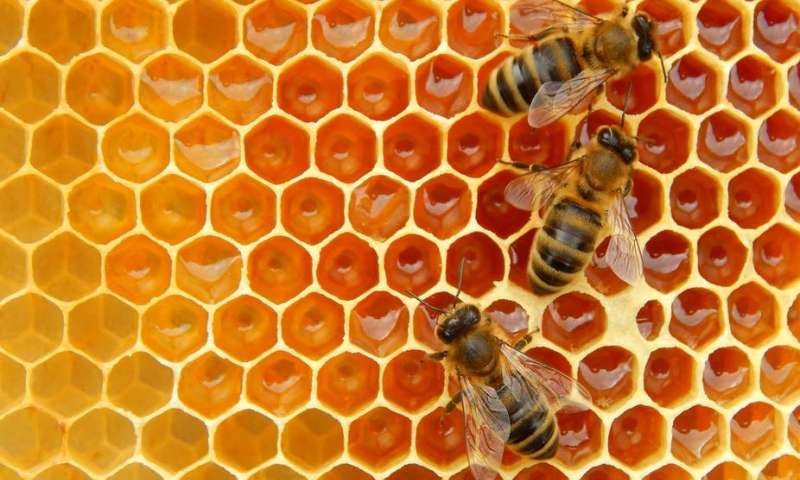
Sentence: May nakita akong pukyutan sa aming bakuran.
3. Batalan (Washroom) – A room with washing and toilet facilities.
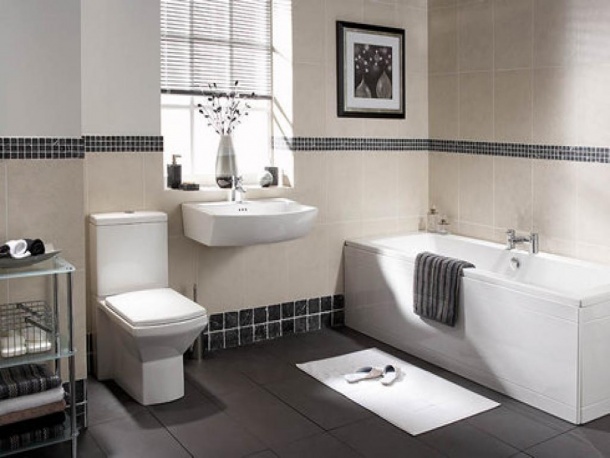
Sentence: Si Ella ay nagmamadaling pumunta sa batalan para hugasan ang kaniyang kamay.
4. Alimusom (Scent) – A distinctive smell especially one that is pleasant.

Sentence: Tila dumikit sa aking damit ang kaniyang alimusom.
5. Kalupi (Wallet) – A pocket sized flat holding holder money and plastic cards.

Sentence: Ang kalupi ni Matt ay punong puno ng salapi.
6. Sambat (Fork) – An implement with two or more prongs used for lifting the food to the mouth or holding it when cutting.

Sentence: Si April ay hindi sanay kumain ng walang sambat.
7. Salipawpaw (Airplane) – a powered flying vehicle with fixed wings and a weight greater than that of the air it displaces.

Sentence: Pinapangarap niya na balang araw ay makakasakay din siya ng salipawpaw.
8. Pook – sapot (Website) – a location connected to the Internet that maintains one or more pages on the World Wide Web.

Sentence: Ano-ano ang mga pook-sapot na iyong tinitingnan?
9. Pang-ulong hatinig (Headset) – a set of headphones, typically with a microphone attached, used especially in telephone and radio communication.
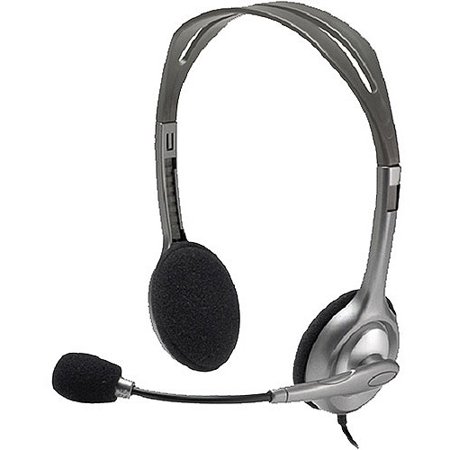
Sentence: Maaari ko bang hiramin ang iyong pang-ulong hatinig? Makikinig lamang ako ng musika.
10. Anluwage (Carpenter) – a person who makes and repairs wooden objects and structures.

Sentence: Magtawag ka ng isang anluwage upang masimulan ng gawin ang ating bahay.
11. Siphayo (Sadness) – the condition or quality of being sad.

Sentence: Matinding pagkasiphayo ang kaniyang naramdaman dahil sa pagpanaw ng kaniyang mahal sa buhay.
12. Pagdadahop ( Poverty) – the state of being extremely poor.
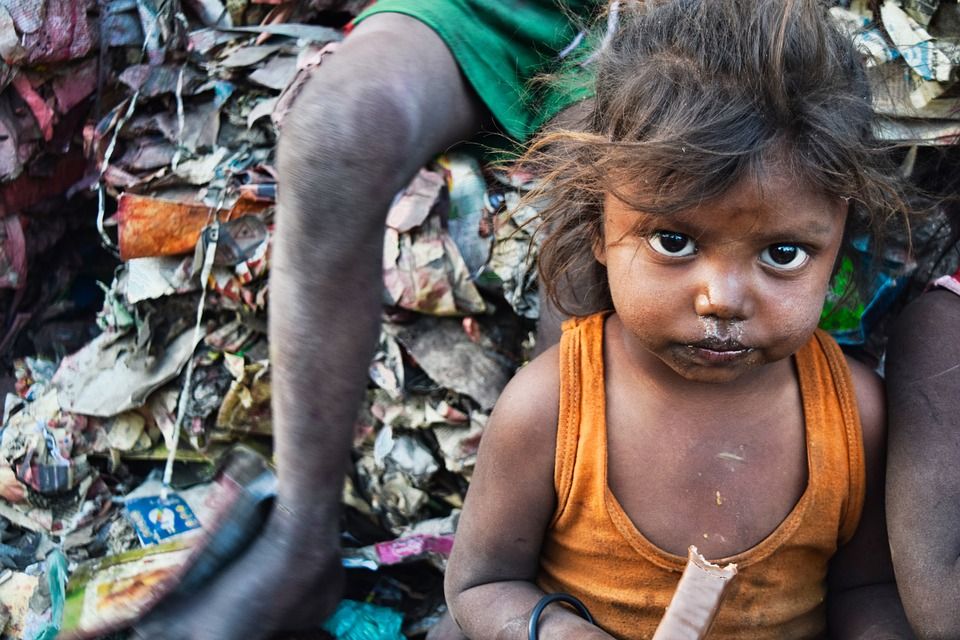
Sentence: Milyon-milyong tao ang nakararanas ng pagdadalop.
13. Palalo (Arrogant) – having or revealing an exaggerated sense of one’s own importance or abilities.

Sentence: Hindi ka dapat maging palalo kung nakakaangat sa buhay.
14. Talasarili (Diary) – a book in which one keeps a daily record of events and experiences.
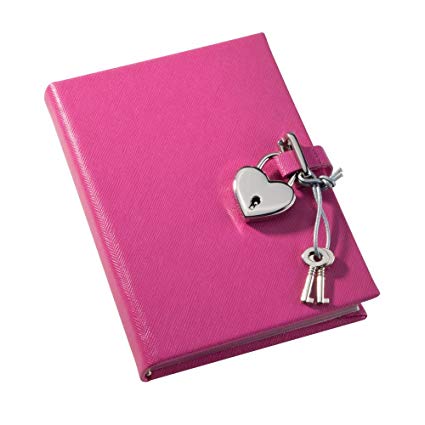
Sentence: Bago matulog ay nagsusulat muna siya sa kaniyang talasarili. 15. Yakis (Sharpen) – make or become sharp.

Sentence: Gumamit siya ng yakis para sa kaniyang lapis.
16. Miktinig (Microphone) – An instrument that converts sound waves into an electric current, usually fed into an amplifier, a recorder, or a broadcast transmitter.

Sentence: Masayang kumakanta kumakanta ang magkakaibigan gamit ang miktinig.
17. Kawingan (Hyperlink) – a link from a hypertext file or document to another location or file, typically activated by clicking on a highlighted word or image on the screen.
Sentence: Pindutin mo ang kawingan.
18. Sulatroniko (E-mail) – messages distributed by electronic means from one computer user to one or more recipients via a network.
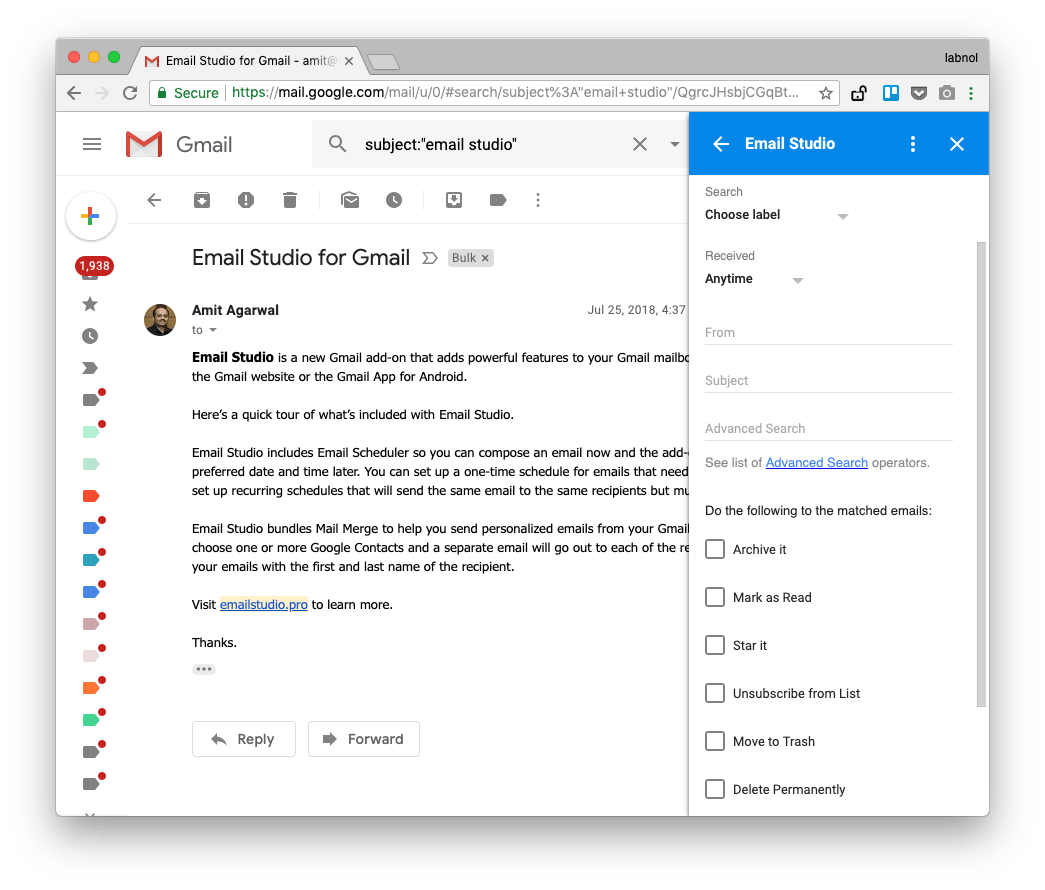
Sentence: Mayroong nagpadala ng mensahe sa aking sulatroniko.
19. Awanggan (Infinity) – can symbolize its more modern interpretation of eternity and everlasting love.

Sentence: Awanggan ang pagmamahal ko sa’yo.
20. Pantablay (Charger) – a device for charging a battery or battery-powered equipment.
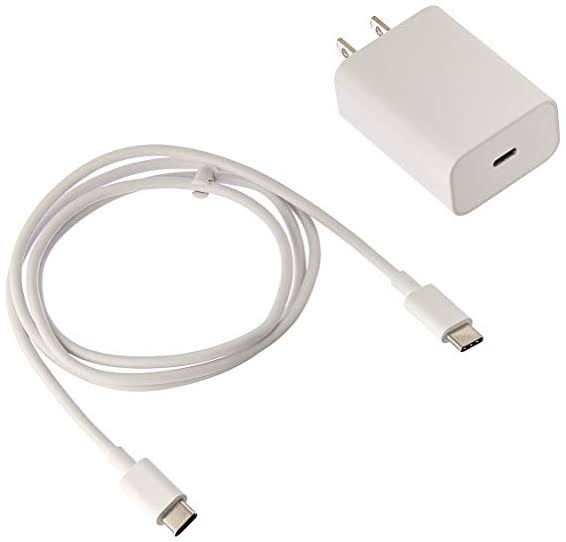
Sentence: Maaari ko bang mahiram ang iyong pantablay?
21. Talatinigan (Dictionary) – a book or electronic resource that lists the words of a language (typically in alphabetical order) and gives their meaning, or gives the equivalent words in a different language, often also providing information about pronunciation, origin, and usage.
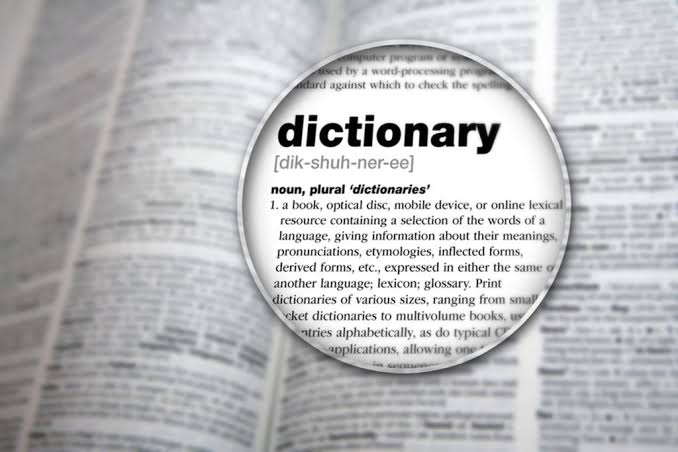
Sentence: Nakatala sa talatinigan ang mga salita na hindi mo maintindihan.
22. Kagaw (Germ) – a microorganism, especially one which causes disease.

Sentence: Huwag mo ng pupulutin ang pagkain na nahulog na, may kagaw na iyan!
23. Duyog (Eclipse) – an obscuring of the light from one celestial body by the passage of another between it and the observer or between it and its source of illumination.

Sentence: Nasilayan mo ba ang duyog?
24. Bilnuran (Arithmetic) – the branch of mathematics dealing with the properties and manipulation of numbers.
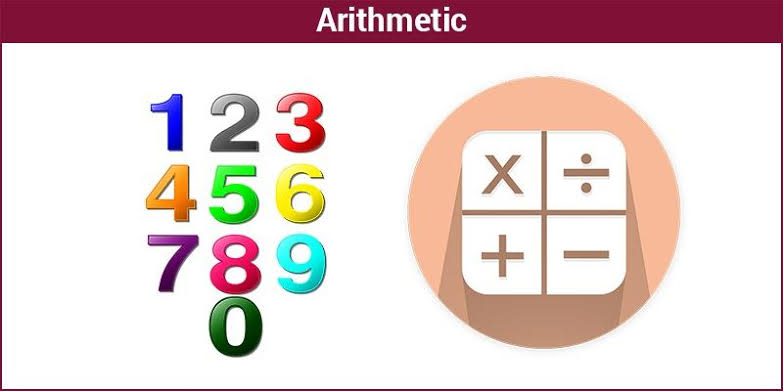
Sentence: Hirap talaga akong intindihin ang bilnuran.
25. Hidhid (Selfish) – (of a person, action, or motive) lacking consideration for others; concerned chiefly with one’s own personal profit or pleasure.

Sentence: Si Pedro ay hidhid sa pagbibigay ng limos sa mahihirap.
26. Dagsin (Gravity) – the force that attracts a body toward the center of the earth, or toward any other physical body having mass.
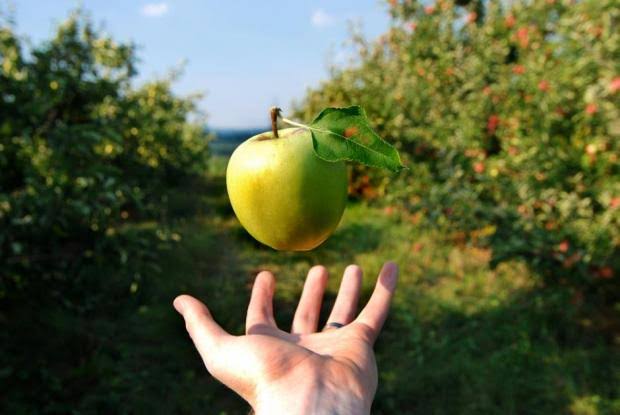
Sentence: Napapalibutan ng dagsin ang ating sistemang solar.
27. Katipan (Boyfriend/Girlfriend) – A boyfriend is a male friend or acquaintance, often specifying a regular male companion with whom one is platonic, romantically or sexually involved. A boyfriend can also be called an admirer, beau, suitor and sweetheart. The analogous female term is “girlfriend“.

Sentence: Magkahawak-kamay na naglalakad ang magkatipan.
28. Pakiwari (Opinion) – a view or judgment formed about something, not necessarily based on fact or knowledge.
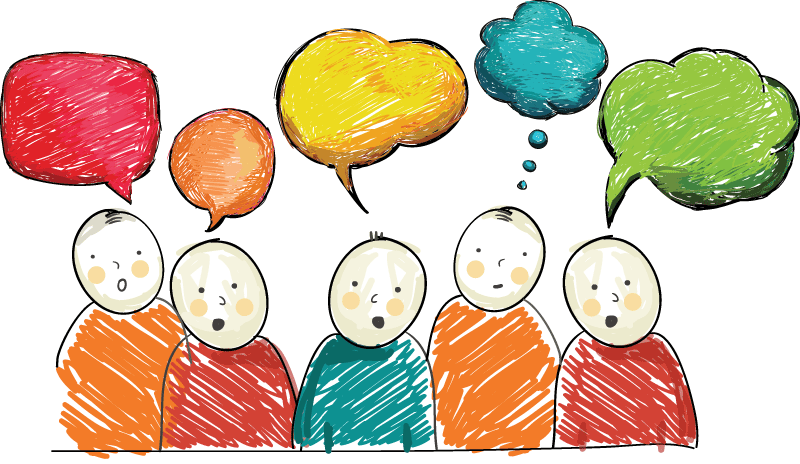
Sentence: Maraming pakiwari ang nagsisilabasan sa pagkamatay ng binatilyo.
29. Pahimakas (Last farewell) – Used to expressed good wishes on parting.

Sentence: Si Raniel at ang kaniyang mga kapatid ay naghanda ng munting salu-salo para sa pahimakas ng kanilang ina.
30. Gumon (Addicted) – physically and mentally dependent on a particular substance, and unable to stop taking it without incurring adverse effects.

Sentence: Gumon sa mga modernong teknolohiya ang karamihan sa mga kabataan ngayon kaya nama’y napapabayaan na nila ang kanilang pag-aaral.
This is an example post, originally published as part of Blogging University. Enroll in one of our ten programs, and start your blog right.
You’re going to publish a post today. Don’t worry about how your blog looks. Don’t worry if you haven’t given it a name yet, or you’re feeling overwhelmed. Just click the “New Post” button, and tell us why you’re here.
Why do this?
The post can be short or long, a personal intro to your life or a bloggy mission statement, a manifesto for the future or a simple outline of your the types of things you hope to publish.
To help you get started, here are a few questions:
You’re not locked into any of this; one of the wonderful things about blogs is how they constantly evolve as we learn, grow, and interact with one another — but it’s good to know where and why you started, and articulating your goals may just give you a few other post ideas.
Can’t think how to get started? Just write the first thing that pops into your head. Anne Lamott, author of a book on writing we love, says that you need to give yourself permission to write a “crappy first draft”. Anne makes a great point — just start writing, and worry about editing it later.
When you’re ready to publish, give your post three to five tags that describe your blog’s focus — writing, photography, fiction, parenting, food, cars, movies, sports, whatever. These tags will help others who care about your topics find you in the Reader. Make sure one of the tags is “zerotohero,” so other new bloggers can find you, too.

 Filipino Unfamiliar Words